
Sonic Bomb Dual Extra Loud Alarm Clock
4.5Editor score
113dB adjustable alarm
Powerful wired bed shaker
Flashing red alert lights
Discover the best alarms for deep sleepers, comparing loud sounds, bed shakers, wrist vibration, backup power, displays, and portability.
Alarms for deep sleepers must overcome a stronger tendency to sleep through gentle prompts, making sound volume, physical vibration, or a combination of both especially important. The most useful models also offer adjustable intensity, flexible scheduling, readable displays, and dependable power options suited to bedrooms, dorms, and shared spaces.
This guide compares ten alarms for deep sleepers across essential categories: extra-loud audio, wired and wireless bed shakers, wearable vibration, battery backup, rechargeable operation, dual alarms, snooze controls, night lighting, and display visibility. Products were evaluated using their stated specifications and documented features rather than claims of personal testing.
Each entry identifies the alarm’s strongest use case, notable limitations, and the people most likely to benefit from it. The list ranges from traditional twin-bell clocks to bedside displays and discreet wristbands, showing how different wake-up methods can suit different sleep routines. Product availability and prices may change, so check current listings before buying.
4.5Editor score

4.4Editor score

4.5Editor score
The comparison below highlights each alarm’s wake-up method, sound capability, vibration support, and practical features. This makes it easier to identify a model for loud bedside alerts, under-pillow vibration, discreet wrist-based wake-ups, travel, or shared sleeping environments.



The ANJANK Extra Loud Alarm Clock combines a 112dB front-facing alarm with a rechargeable wireless bed shaker, making it one of the most versatile options for people who routinely ignore audible prompts. Its 4.4 rating reflects a broad feature set that includes dual alarms, eight sounds, adjustable volume, a dimmable RGB display, and nine-color night lighting.
We may earn a commission when you buy through this link, at no additional cost to you.
The bed shaker is the standout feature. Its stated wireless range reaches 32.8 feet, and three intensity levels allow users to choose a gentler pulse or a stronger physical wake signal. The 1500mAh rechargeable battery is rated for up to a month of use on one charge, while magnetic and Type-C charging make replenishment straightforward. The main unit also includes a Type-C output for charging a phone overnight.
Audio and visual options make this more than a basic shaker alarm. The alarm reaches a stated maximum of 112dB, offers ten levels of precise volume control, and includes sharp sounds, a chime, birds, a buzzer, rain, piano, and a stream. White, red, blue, and RGB gradient displays can be dimmed from zero to 100 percent, while the night light includes nine colors and a completely dark lowest setting.
The principal drawback is the lack of battery backup for the main clock. It must remain connected to power, so an outage could prevent the alarm and display from operating even though the shaker itself is rechargeable. With that caveat, this is an excellent choice for a bedroom where flexible lighting, a strong sound, and wireless physical vibration would all be useful.
This alarm can wake the sleeper through loud audio, wireless bed vibration, or both, allowing the user to change methods rather than relying on a single stimulus. The combination is especially practical for deep sleepers who may respond to physical vibration after becoming accustomed to a familiar alarm tone.
The dimmable display and nine-color night light offer useful control over nighttime illumination. A completely dark setting can reduce unnecessary light, while brighter or colored options can provide a gentler visual cue for people who want to avoid an abrupt start to the morning.
We may earn a commission when you buy through this link, at no additional cost to you.
The Acedeck Super Loud Alarm Clock delivers the highest stated maximum output in this guide at 115dB, earning strong value for sleepers who need aggressive audio rather than vibration. It carries a 4.5 rating and provides six alarm sounds, two separate alarm settings, snooze functionality, and a large 4.2-inch LED display with adjustable brightness.
We may earn a commission when you buy through this link, at no additional cost to you.
Its outage feature is especially practical. AAA batteries preserve the stored settings and allow alarms to operate during a power interruption, although the product does not charge those batteries and is intended primarily for external power. This design gives the clock a degree of resilience without turning the backup cells into a permanent power source.
The display is designed for easy viewing but adjustable for bedroom conditions. Users can reduce brightness at night or increase it for daytime visibility, making the clock suitable for light sleepers as well as people with different schedules. A built-in USB port adds overnight phone charging while the clock operates on AC power.
It does not include a bed shaker, so this is a better fit for people whose primary problem is difficulty hearing an ordinary alarm than for those who cannot be awakened by sound at all. Its 115dB specification, straightforward controls, and useful battery memory make it an excellent budget choice for dorm rooms, student bedrooms, and homes where extra loudness is the priority.
Acedeck focuses entirely on making the audible alert more forceful. The 115dB maximum, six sound choices, and ten-step-style sound selection described in the product information give users several ways to create a more noticeable morning cue without adding a separate shaker.
The AAA backup preserves time and alarm settings and allows the alarm to continue working during an outage. It is a meaningful reliability feature, but the batteries should be treated as backup rather than rechargeable everyday power.
We may earn a commission when you buy through this link, at no additional cost to you.
The Sonic Bomb Dual Extra Loud Alarm Clock is built around a forceful combination of sound, flashing lights, and a wired super shaker. With a 4.5 rating, it offers a 113dB maximum alarm, adjustable volume and snooze timing, and three operating modes: vibration, buzz, or combined vibration and buzz.
We may earn a commission when you buy through this link, at no additional cost to you.
Its alarm duration and snooze settings are unusually configurable. Users can select an alarm duration from one to 59 minutes and a snooze interval from one to 30 minutes. That control is helpful for people who wake briefly but struggle to remain fully awake, as the clock can continue sounding until the alert is actively handled.
The physical shaker is designed to jolt the bed rather than merely tap the mattress gently. It requires a wired connection to the clock, which restricts placement compared with portable wireless shakers, but that limitation also keeps the signal path straightforward. Red flashing alert lights add another visual route to waking.
This model is best for sleepers who want a powerful, dedicated bed-shaking system and can tolerate the cable. Its long alarm duration, broad snooze adjustment, and multiple stimulation methods make it particularly appropriate for households where oversleeping has serious consequences. The wired layout is less convenient for travel or frequently rearranged beds.
Adjustable one-to-59-minute alarm duration and one-to-30-minute snooze intervals make this clock unusually flexible for repeat snoozers. A deep sleeper can set a pattern that matches how long it takes to fully wake rather than relying on one fixed button-press delay.
Sound, vibration, and flashing red lights can operate independently or together. This gives the user several escalating paths to full alertness and makes the system more adaptable than a clock that only offers audio.
We may earn a commission when you buy through this link, at no additional cost to you.
This Bed Shaker Heavy Sleeper Alarm provides a broad set of controls without reaching the extreme feature density of some newer models. Its 4.2 rating reflects a practical combination of sound, wired vibration, dual alarms, a seven-inch LED display, brightness adjustment, USB charging, and memory backup.
We may earn a commission when you buy through this link, at no additional cost to you.
Users can select sound only, bed shaker only, or both. The buzzer volume is adjustable, and the documentation candidly notes that perceived effectiveness varies with personal sensitivity, mattress type, and placement. Two independent alarms support different schedules, while a large snooze button pauses the alert for five minutes.
The display has eight brightness levels and large numerals intended to be visible at normal bedroom distances. It cannot be fully turned off while powered, which may bother light sleepers, but the lowest setting reduces the visual intrusion. AAA batteries preserve the time and alarm settings during a power failure, and the alarm still activates when the screen is off.
This is a strong value for adults, students, and heavy sleepers who want a wired shaker and a large display. It is less suitable for people seeking truly extreme volume, wireless placement, or a completely dark display. Its many clearly labeled controls may require a short initial learning period.
The ability to run the shaker by itself is valuable in shared rooms because it offers a personal wake cue without broadcasting an audible alarm. Users can also combine both methods when maximum attention is needed.
Seven-inch numerals and eight brightness levels balance readability with nighttime comfort. Since the display remains visible when powered, users who are especially sensitive to light should verify that its dimmest setting is acceptable.
We may earn a commission when you buy through this link, at no additional cost to you.
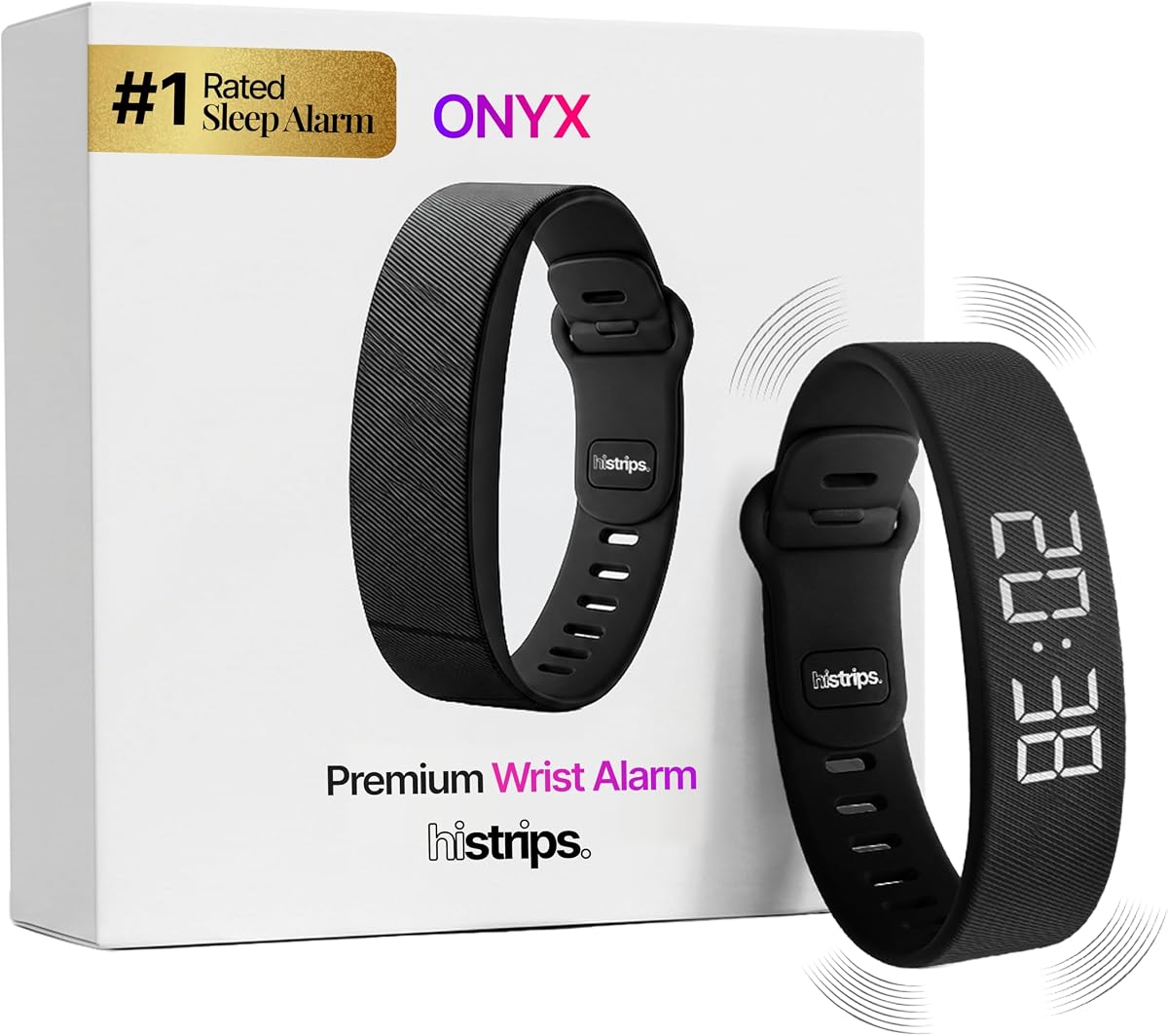
The Onyx Vibration Alarm takes a different approach by placing the wake signal directly on the sleeper’s wrist. It has a 2.4 rating, the lowest among the selected products, and offers a simple alternative for people who sleep through sound but do not want to disturb a partner, roommate, or child.
We may earn a commission when you buy through this link, at no additional cost to you.
The alert begins gently and escalates through two intensity levels. A food-grade silicone strap is described as third-party lab tested for silent 0dB wrist vibration, while the adjustable band is designed to maintain skin contact throughout the night. Up to three alarms can be configured for people with different work, travel, or study schedules.
Fast charging supports a stated battery life of up to 14 days on one charge. The wearable format also avoids the placement problem associated with bed shakers, making it potentially useful for travel, dorm living, shift work, and couples with different waking times. Its silence is the central benefit rather than a secondary feature.
The trade-off is the absence of an audible backup and the low 2.4 rating, which suggests caution when relying on it as the sole wake-up method. It is best for a light-to-medium sleeper who is strongly motivated to wake but lives in a shared space. A deep sleeper may need a louder or physical bedside alert as a backup.
Wrist vibration confines the alert to the wearer, allowing a partner or roommate to continue sleeping without interruption. This makes the device attractive in dorms, family homes, and other environments where audible alarms can create friction.
Two intensity levels provide a gentler and stronger cue without a complex menu of sounds. The band should be fitted securely so the vibration remains in direct contact with the skin and can be noticed during sleep.
We may earn a commission when you buy through this link, at no additional cost to you.
The Vibrating Alarm Clock Watch is a compact wearable for people who need a personal alert but do not want a conventional bedside alarm. Its 3.6 rating reflects a straightforward silent-vibration design with multiple customizable alarms, discreet styling, and an IP68 water-resistance rating.
We may earn a commission when you buy through this link, at no additional cost to you.
Its main advantage is environmental flexibility. The wristband can remain in direct contact with the wearer while traveling, working unusual shifts, studying in a dormitory, or sleeping beside someone with a different schedule. Because the alarm is non-audible, it avoids the common problem of one person’s wake-up call disturbing an entire room.
The IP68 rating is intended to protect against sweat, rain, and daily spills, making the device more practical than an unprotected wrist gadget for overnight use. Multiple vibration alarms provide scheduling flexibility, while the bracelet-like form can be worn continuously rather than only placed beside the bed.
There is no extra-loud audio fallback, so this band may not be sufficient for the deepest sleepers or people with significant hearing loss. Its moderate rating also supports trying it as one layer in a broader wake-up routine. It is most compelling for users who respond well to touch but dislike or cannot tolerate audible alarms.
IP68 water resistance offers useful protection against perspiration, rain, and accidental splashes. That durability makes the wearable more practical for continuous overnight use, particularly during exercise-heavy days or unpredictable commutes.
Multiple custom alarms let one device cover varied work, travel, or study routines. Because the signal is felt only by the wearer, it supports independent schedules without forcing everyone in the room to wake.
We may earn a commission when you buy through this link, at no additional cost to you.
The REACHER Super Loud Vibrating Alarm Clock combines a 110dB alarm with an integrated vibration motor in a cordless bedside design. Its 4.1 rating reflects a versatile set of wake modes, automatic display brightness, a magnetic charging dock, and tactile controls intended to remain easy to operate while drowsy.
We may earn a commission when you buy through this link, at no additional cost to you.
Unlike systems that rely on a wired bed shaker, the built-in motor lets the whole clock sit under a pillow or near the mattress. Three wake modes accommodate different preferences, including a quiet vibration-only option. Five vibration levels range from gentler reminders to stronger physical sensation, while continuous ringing can last for up to one hour.
The display adjusts its brightness to surrounding room light, remaining readable during the day and softer at night. Magnetic charging serves a practical dual purpose because the dock also works as a stand. Raised tactile points on the alarm-off and snooze buttons help users locate the primary controls without relying on sight.
The device must be docked for charging, and no battery backup is stated. That makes regular charging essential and could be a disadvantage during outages. Nevertheless, the cordless design, long alarm duration, unlimited snooze cycles, and built-in vibration make this a strong option for users who want a bedside unit they can move or tuck under a pillow.
The integrated motor eliminates the cable and separate component associated with conventional bed-shaker systems. The entire clock can move with the sleeper’s pillow, which may make the physical alert feel more immediate.
Clearly labeled buttons and raised tactile points make the snooze and alarm-off controls easier to identify in darkness. These details matter because a deep sleeper may need to operate the clock without fully waking or finding a small button by sight.
We may earn a commission when you buy through this link, at no additional cost to you.
The DreamSky Vibrating Alarm Clock is designed for placement on a nightstand, mattress, under a pillow, or beneath a quilt. Its 4.4 rating and portable wireless design make it particularly appealing for deep sleepers who want direct physical contact without managing a cable between separate components.
We may earn a commission when you buy through this link, at no additional cost to you.
Five vibration levels progress from 20 percent to 100 percent intensity, and users may choose vibration alone or combine it with the beeping alarm. The clock uses a rechargeable battery and includes a power indicator and low-battery reminder. A long rope is supplied so the portable unit can be tied to a bed or desk and reduce the chance of it being misplaced.
Setup is designed to be streamlined. After power-up, the user selects a local time zone, and automatic daylight saving time handling adjusts the display when enabled. The clock supports 12- and 24-hour formats, illuminates the display for 15 seconds when a button is pressed, and rings for five minutes with a dedicated nine-minute snooze.
Its five-minute alarm duration is relatively brief and not adjustable according to the stated information. There is also no stated battery backup during a power interruption. Even so, the combination of portability, wireless placement, rechargeability, and five intensity levels makes this a convincing under-pillow option for travel, dorms, and flexible sleeping arrangements.
The wireless shaker can be placed under a pillow or quilt so the physical cue reaches the sleeper without a long cable. A supplied cord offers an additional way to secure the unit and keep it close during sleep.
Automatic daylight saving time and selectable 12- or 24-hour formats reduce the need for repeated manual corrections. The brief backlight is useful for checking the time without leaving a bright display glowing all night.
We may earn a commission when you buy through this link, at no additional cost to you.
The Peakeep Loud Alarm Clock delivers an old-fashioned twin-bell wake-up in a four-inch metal case. Its 4.4 rating makes it an appealing choice for users who want a simple, consistently noisy alarm without a glowing screen, app, charging routine, or complicated setup.
We may earn a commission when you buy through this link, at no additional cost to you.
The clock’s robust hammer-and-bell mechanism can ring for up to 50 minutes, giving a deep sleeper substantially more opportunity to wake. A separate alarm switch and straightforward setting dials make operation uncomplicated. There is no ticking sound because the product uses a quartz sweep movement, making it quieter than many conventional analog clocks during normal operation.
A rear light button illuminates the face on demand, providing a brief view of the time without constant illumination. The metal exterior and interior reading face give the clock a more substantial appearance than a typical plastic bedside model. Its jewel-blue metallic finish also makes it easy to incorporate into bedroom decor.
The clock needs one AA battery, which is not included, and the stated battery life can reach eight months or longer. There is no snooze, second alarm, bed shaker, or digital display. This simplicity is an advantage for some users but a limitation for households with different schedules or anyone who prefers modern controls.
Simple dials remove the learning curve associated with multifunction digital clocks. The quartz sweep movement also avoids the repetitive ticking that can disturb sensitive sleepers, while the twin bells provide a familiar and forceful morning sound.
The alarm can ring for 50 minutes, making it useful when a brief phone or bedside prompt tends to disappear into sleep. Its power needs are modest, with a single AA battery supporting a stated operating life of eight months or longer.
We may earn a commission when you buy through this link, at no additional cost to you.
The Netzu Loud Alarm Clock offers a high-volume alarm, integrated vibration, and RGB lighting in a compact bedside format. Its 4.4 rating reflects a versatile three-mode system: ring only, vibration plus ring, and vibration only. The stated maximum output reaches 115dB, matching the highest figure listed in this guide.
We may earn a commission when you buy through this link, at no additional cost to you.
Vibration can operate independently for a more personal wake-up, or it can be combined with the audible alarm. This makes the clock adaptable to a shared room where noise would disturb others, as well as to deep sleepers who want every possible alert at once. Two separate alarm settings accommodate couples or household members with different routines.
The display adds visual customization through RGB lighting and five brightness levels. It can also be turned off according to the product information, offering an option for users who dislike a glowing clock. Setup uses dedicated set, plus, and minus controls, with simple steps for changing the hour, minute, and 12- or 24-hour format.
No battery backup is stated, so the clock depends on its normal power source during an interruption. The lack of a separate wired bed shaker also means vibration intensity and feel should be checked against personal sensitivity. Nevertheless, the combination of 115dB sound, internal vibration, two alarms, and adjustable RGB lighting gives it broad appeal.
Ring-only, vibration-only, and combined modes let the user select the level of disturbance. Vibration alone is useful for shared rooms, while the combined setting offers the strongest multi-sensory approach for difficult waking.
RGB colors make the display more visually engaging, while five brightness levels help manage nighttime glare. The option to turn the display off entirely is particularly useful for light-sensitive sleepers who do not need a permanent clock face.
We may earn a commission when you buy through this link, at no additional cost to you.
The most effective alarm matches the reason you usually fail to wake, the sleeping environment, and the degree of disruption acceptable to others. Consider sound, vibration, lighting, scheduling, power, and display features together rather than focusing only on the largest stated decibel figure.
Extra-loud models in this guide state maximum outputs ranging from 110dB to 115dB. Volume figures are useful for comparing models, but personal sensitivity, bedroom acoustics, distance from the clock, and hearing conditions all influence the actual result. A clock with several distinctive sounds can be more useful than one that offers only a single tone because familiarity may cause a sleeper to tune it out.
Prioritize adjustable volume, multiple alarm options, and a sustained ringing period. The Sonic Bomb, Netzu, and REACHER models provide long or continuous alerts, while the Acedeck and Sonic Bomb offer multiple sound choices. Treat stated decibel levels as a useful comparison tool rather than a guarantee of personal effectiveness.
A bed shaker adds a physical cue that may reach someone who no longer responds to audible alarms. Consider whether the unit uses a wired or wireless connection, how many vibration levels it provides, and whether it can run without a separate cable. Mattress thickness, pillow placement, body position, and sensitivity to vibration all affect how strongly the pulse feels in practice.
Wireless systems offer easier positioning but require battery management, while wired models may provide a more established physical connection. The ANJANK, DreamSky, and Sonic Bomb cover different needs within that spectrum, and the Netzu and REACHER integrate the motor directly into the clock.
A wrist-worn vibration alarm is nearly silent to everyone except the wearer, making it valuable in shared bedrooms, dorms, and couples with different wake times. It also avoids the need to position a shaker beneath a mattress or pillow. The trade-off is that some deep sleepers can sleep through light tactile signals, particularly if the band shifts during the night.
Choose a wristband with adjustable intensity, secure fit, water resistance, and multiple alarms. The Onyx provides two escalating levels, while the generic Vibrating Alarm Wristband emphasizes multiple schedules and IP68 protection. Either type is best treated as a personal alert within a broader wake-up strategy when hearing loss is severe.
Backup power can preserve an alarm during outages, but its usefulness depends on how the clock is designed. The Acedeck and the Bed Shaker Heavy Sleeper Alarm use AAA batteries for outage operation and memory preservation. The ANJANK main clock must remain plugged in, although its wireless shaker has a rechargeable 1500mAh battery. Rechargeable bedside clocks such as the DreamSky require charging but avoid routine battery replacement.
Choose the power arrangement that best matches the household. Reliable alarm memory matters when users are unsure whether an outage will end before the morning. Always check whether backup batteries are included, whether they are rechargeable, and whether the display or alarm operates fully during backup.
Dual alarms are valuable for couples, shift workers, students, and anyone whose routine changes by day. Snooze intervals and alarm durations determine how forgiving the clock will be after a first attempt to wake. The Sonic Bomb offers particularly extensive controls, with alarm duration adjustable from one to 59 minutes and snooze from one to 30 minutes.
Look for large, clearly identified snooze and alarm-off controls that can be operated without finding a small button. REACHER adds raised tactile points to important buttons, while the Bed Shaker Heavy Sleeper Alarm offers a large snooze button and a nine-minute delay. More controls are useful only if they remain understandable in daily use.
A readable clock is helpful, but persistent illumination can be a problem for light sleepers. Adjustable brightness, a complete display-off setting, and a short backlight are preferable to a permanently bright screen. The Peakeep avoids a digital display entirely and uses a rear light on demand, while the ANJANK supports full dimming and a separate nine-color night light.
RGB and colored displays can provide a gentler visual cue, but brightness should still be evaluated after dark. Consider whether the clock will sit beside the bed, face away from the sleeper, or be turned completely off. A display that is excellent at a distance during the day may still be too bright at midnight.
The ideal model fits the bed, bedroom, and daily routine. A compact traditional clock can be easiest in a small room, while a portable wireless shaker is valuable for travel or frequently changing beds. Cordless vibration units can move with a pillow, while wristbands work best for people who travel and want to keep the alarm on their body.
Shared sleeping spaces add another constraint. If a partner or roommate is sensitive to noise, vibration-only or wearable alerts are worth considering. If an audible alarm is necessary, place the clock as far from the sleeper as practical and evaluate whether flashing lights are acceptable. Cord placement and charging docks should also fit the available bedside space.
A dependable clock should be easy to set accurately and maintain over time. Digital models with dedicated controls, automatic daylight saving time, and clear button labels reduce setup errors. Traditional clocks have fewer programming demands but may lack features needed by people with two different schedules.
Review the alarm duration and whether a specific sound or tone is included. A model can offer many buttons while still being difficult to operate when half-awake. Choose a design whose controls match your comfort level, and verify that the display, alarm, and vibration can be tested before a critical morning.
Begin by testing the alarm several days before you depend on it. Set the clock for a time when you can wake without rushing, try every sound or intensity level, and position the bed shaker under the pillow or at the location where it should remain. For wrist devices, wear the band securely overnight so it does not rotate or loosen.
Program the alarm with enough time to complete your normal morning routine rather than the exact moment you must leave. Use a different alarm for weekends or rotating shifts if the model supports dual settings. For backup-powered models, install fresh batteries before the first overnight test, and for rechargeable models, establish a routine that returns the clock to its dock or charger.
Treat loud alarms and strong vibration as tools rather than dangers. Begin with the lowest effective sound and vibration level, increase gradually, and avoid placing a vibrating unit directly against delicate electronics. Clean wrist straps and clock surfaces as directed, inspect shaker cords for damage, and replace batteries on schedule to keep the alarm reliable.
No. A louder clock can help, but sound is only one possible wake-up path. Some people respond better to vibration, flashing lights, or a gentle visual transition, and extremely high volume may also disturb a partner or roommate. It is sensible to combine adjustable sound with vibration when possible and test different levels before relying on the alarm.
A strong audible alert may help, but vibration and visual cues can make the system more reliable. Bed shakers, wrist-worn vibration, and flashing alert lights are all useful alternatives or supplements to sound. A heavy sleeper who does not respond to vibration may still need a stronger bedside system rather than relying on a wrist device alone.
It depends on your sleep habits and sensitivity. A bed shaker can produce a stronger physical sensation and is intended for users who sleep through ordinary alarms. A wristband is quieter, more portable, and easier to keep in continuous contact with the skin, but its signal may feel less forceful. Trying both may help identify the better option.
Check exactly what the backup powers. Some clocks preserve settings and continue the alarm, while others only preserve the time and require the display to shut down. Confirm whether the backup batteries are included, whether they must be replaced, and whether the clock continues operating normally on external power rather than attempting to charge the cells.
The signal may be too weak, poorly positioned, or blocked by heavy bedding. Increase the vibration level, place a bed shaker directly under the pillow or mattress area where you sleep, and test for several nights. Ensure a wearable alarm remains snug against the skin. If you still do not respond, use the tactile alarm as one layer alongside a louder clock.
Yes. A mechanical twin-bell alarm can be effective because it is simple, distinct, and persistent, with some models ringing for an extended period. It lacks vibration, dual schedules, snooze, and modern displays, so people with complex routines may prefer a digital model. The Peakeep is especially attractive to users who dislike glowing screens.
One setting is sufficient for a consistent schedule, while two are helpful for couples, students with classes and activities, and shift workers with changing hours. Consider not only separate start times but also how each alarm will stop, whether snooze intervals suit your routine, and whether backup power preserves both settings.
A backup can add protection if you routinely sleep through one method or if a charging cable fails. The two alarms should provide different sensations, such as sound plus bed vibration and a silent wristband, so one does not simply repeat the other’s weakness. Keep backups tested, charged, and set correctly rather than waiting until an emergency to configure them.
The ANJANK Wireless Bed Shaker stands out as the most complete overall choice because it combines 112dB sound, adjustable wireless vibration, dual alarms, flexible lighting, and phone charging. The Sonic Bomb is the strongest premium traditional bed-shaker system, while the Acedeck delivers exceptional audible power and outage memory at a budget-conscious level.
Your priority should reflect why you usually oversleep. Choose strong audio for people who still hear alarms but resist waking, a well-placed bed shaker when sound is ineffective, and a wearable band when silence and shared sleeping spaces matter most. Display brightness, charging habits, scheduling needs, and backup power can then determine which model fits your bedroom routine.
Before purchasing, verify the current listing, included accessories, power requirements, and exact operating instructions, because product configurations can change. Prices and availability also fluctuate, so comparing the latest details is wise. The right alarm is the one that creates a sufficiently strong and dependable cue, can be tested successfully, and fits comfortably into your sleep environment.